A Sestina for Monday
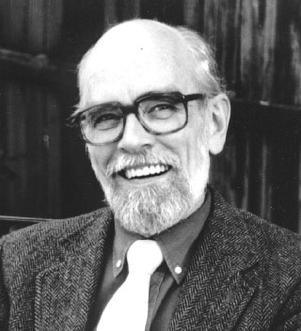
Now, I know that the esteemed Col. Mather probably writes his grocery lists in sestina form, but here’s a little recap on the sestina for us normal people.
Sestina: an elaborate verse form employed by medieval Provençal and Italian, and occasional modern, poets. It consists, in its pure medieval form, of six stanzas of blank verse, each of six lines – hence the name. The final words of the first stanza appear in varied order in the other five, the order used by the Provençals being: abcdef, faebdc, cfdabe, ecbfad, deacfb, bdfeca. Following these was a stanza of three lines, in which the six key words were repeated in the middle and at the end of the lines, summarizing the poem or dedicating it to some person.
From: http://wonderingminstrels.blogspot.com/2001/10/shrinking-lonesome-sestina-miller.html
Every article I’ve read on the sestina points me either to Ezra Pound’s Sestina: Altaforte or Algernon Charles Swinburne’s Complaint of Lisa. These are both great poems, but I favor the Miller Williams poem below. I love how the poem shrinks and shrinks yet builds to the heavily emotional stanza “Time goes too fast. Come home.”
The Shrinking Lonesome Sestina #
Somewhere in everyone’s head something points toward home,
a dashboard’s floating compass, turning all the time
to keep from turning. It doesn’t matter how we come
to be wherever we are, someplace where nothing goes
the way it went once, where nothing holds fast
to where it belongs, or what you’ve risen or fallen to.What the bubble always points to,
whether we notice it or not, is home.
It may be true that if you move fast
everything fades away, that given time
and noise enough, every memory goes
into the blackness, and if new ones come-small, mole-like memories that come
to live in the furry dark-they, too,
curl up and die. But Carol goes
to high school now. John works at home
what days he can to spend some time
with Sue and the kids. He drives too fast.Ellen won’t eat her breakfast.
Your sister was going to come
but didn’t have the time.
Some mornings at one or two
or three I want you home
a lot, but then it goes.It all goes.
Hold on fast
to thoughts of home
when they come.
They’re going to
less with time.Time
goes
too
fast.
Come
home.Forgive me that. One time it wasn’t fast.
A myth goes that when the years come
then you will, too. Me, I’ll still be home.– Miller Williams